
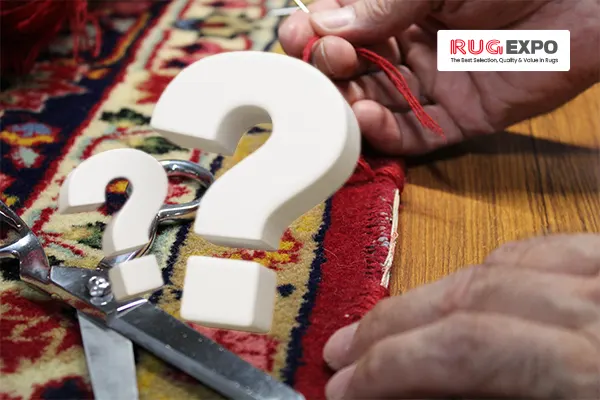
Is your rug edge frayed, unraveling, or damaged? Rug edge repair can restore the appearance and help prevent further damage. Rug edges can become worn from foot traffic, pets, furniture movement, improper cleaning, or everyday use.
Minor loose threads may sometimes be addressed with simple reinforcement, but extensive fraying, damaged binding, exposed foundation, or damage to an Oriental, Persian, handmade, antique, or valuable rug is best evaluated by a professional.
In this guide, we’ll explain how rug edge repair works, when a rug edge repair kit may be appropriate, when professional repair is recommended, and how to prevent further edge damage.
Yes, most damaged rug edges can be repaired, depending on the rug’s construction and the severity of the damage. Minor fraying or loose threads may require simple reinforcement, while severely frayed or unraveling edges may need professional stitching, binding, or restoration.
The appropriate repair method depends on the rug’s material, construction, age, and condition. Handmade, Oriental, Persian, antique, and valuable rugs should be professionally assessed before attempting DIY repairs.
If you notice a rug edge beginning to fray, addressing the damage early can help prevent the problem from spreading.
Rug edges are exposed to frequent friction and movement, making them one of the more vulnerable parts of a rug. Common causes of rug edge damage include foot traffic, pets scratching or pulling fibers, furniture movement, improper cleaning, sharp objects, excessive moisture, and normal wear over time.
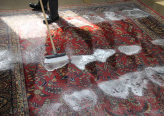
Improper cleaning can also weaken or damage rug fibers, especially when unsuitable brushes, excessive water, or harsh cleaning methods are used.
Related Article: How to Wash an Oriental Rug – What to Avoid During the Process?
Another common cause of fraying is improper cleaning. If your rug is not cleaned properly, the fabric can become damaged, causing the edges to fray.
When vacuuming, use a setting and attachment appropriate for the rug’s construction. Avoid aggressive brushing or pulling at loose fibers, as this can worsen existing edge damage.
Rug edges can become damaged in several ways, and identifying the type of damage can help determine whether you need minor reinforcement, binding, stitching, fringe repair, or more extensive rug restoration.
Fraying occurs when fibers along the rug’s border become loose, worn, or separated. Early-stage fraying can sometimes be reinforced before it develops into more extensive damage.
Loose threads may appear when the rug’s edge or binding begins to deteriorate. They should not be pulled because doing so can cause additional fibers to unravel.
The binding protects the outer edge of a rug from unraveling. When the binding becomes worn, torn, or detached, professional re-binding may be needed to restore the edge.
An unraveling edge can indicate that the rug’s foundation is becoming exposed or damaged. Professional repair can reinforce the affected area and prevent the damage from spreading.
Corners can experience additional wear from foot traffic, furniture movement, pets, and improper handling. Depending on the damage, a specialist may need to reinforce or reconstruct the affected section.
Fringe can become worn, stained, tangled, or detached over time. Depending on the rug’s construction, damaged fringe may be repaired, secured, or replaced.
If you don’t have the equipment and knowledge to repair a rug edge, you can always get professional help. The edges of your rugs will deteriorate over time, and this can make your rugs look bad. The edges are also susceptible to damage by pets and children, as well as wear and tear. In addition, if you store your rugs improperly, the edges may be damaged during storage.
Related Article: How to Clean Dog Urine From a Cowhide Rug?
Frayed edges can catch on things and tear the rug, making it look bad. If this happens often enough, it could even cause the rug to unravel completely. This can be dangerous because walking on a frayed edge is like walking on a rope. It could snap underfoot at any time!
All in all, it is important to fix a rug’s edge because it helps maintain the rug’s integrity while also keeping it looking sharp!
Related Article: How to Clean Handmade Rugs?
If you want to keep your rugs looking their best, give a professional repair service a shot! So, your rug will look much nicer and be more durable if you do this.
Minor rug edge damage may sometimes be handled with a rug edge repair kit, but DIY repair is not appropriate for every rug. A simple repair may be suitable for a low-value, machine-made rug with a few loose threads. However, cutting, gluing, or stitching the wrong fibers can cause additional damage.
Before attempting a DIY repair:
If the edge is actively unraveling or the binding has separated, professional rug edge repair is usually the safer option.
The best way to fix a frayed rug edge depends on the severity of the damage and how the rug was constructed. Minor loose fibers may be secured, while extensive fraying, unraveling, damaged binding, or exposed foundation may require professional rug edge repair.
For a minor damaged area:
Inspect the damaged edge: Determine whether the damage is limited to loose fibers or has reached the rug’s foundation.
Do not pull loose threads: Pulling can cause additional fibers to unravel.
Remove loose debris: Carefully clean the area before attempting any repair.
Secure minor loose fibers: Small areas on suitable rugs may be temporarily reinforced using an appropriate repair method. Avoid cutting or applying adhesive unless you are certain the method is suitable for the rug.
Consider professional repair for extensive damage: If the edge is unraveling, the binding is damaged, or the foundation is exposed, professional repair is the safer option.
Avoid cutting away large sections of frayed material or applying excessive glue. These approaches can permanently alter the rug and make professional restoration more difficult.
For handmade, Oriental, Persian, antique, or valuable rugs, professional assessment is recommended before attempting a repair yourself.
If your rug has significant fraying, unraveling, damaged binding, or structural damage, look for an experienced professional rug repair service rather than attempting extensive DIY repairs.
When choosing a rug repair professional, consider their experience with your rug’s material and construction, customer reviews, repair capabilities, and experience with handmade, Oriental, Persian, or antique rugs.
For homeowners looking for rug repair in San Diego, Rug Expo can help evaluate damaged rugs and determine the appropriate repair or restoration approach.
Related Article: How To Clean a Flat Weave Rug?
Preventing edge damage is easier than repairing extensive unraveling. A few simple maintenance habits can help extend the life of your rug.
Vacuum regularly using an appropriate setting for the rug’s construction.
Avoid pulling loose threads or fibers.
Keep pets from repeatedly scratching or pulling at the rug edges.
Use a properly sized rug pad to reduce movement and friction.
Rotate the rug periodically to distribute foot traffic.
Address spills and stains promptly using an appropriate cleaning method.
Avoid excessive moisture on rugs that are sensitive to water.
Have early signs of fraying or damaged binding inspected before the problem spreads.
Regular care combined with early professional repair can help protect the rug’s edges and extend its useful life.
At Rug Expo in San Diego, our rug experts can evaluate damaged rug edges and recommend an appropriate repair or restoration approach.
We understand that different rugs require different repair techniques. Our team can assess issues such as frayed edges, loose threads, damaged binding, unraveling edges, damaged corners, and fringe damage.
With more than 30 years of experience working with rugs, we can help determine whether a rug requires a minor repair, professional edge restoration, or more extensive work.
The goal is to repair the damaged area while preserving the rug’s construction, appearance, and overall integrity.
The process is straightforward and easy to follow:
If your rug has been damaged in any way, it’s important to identify the problem before you start fixing it. We take a closer look at it to see if there are any rips, tears, or holes in the fabric. If so, we’ll consider replacing the entire piece rather than just repairing it. That’s because this will be less expensive and easier on your wallet in the long run.
Related Article: How to Clean a Braided Wool Rug
All loose threads and fibers must be removed from around the area where repairs will be made. So, they don’t get caught up in them when stitching begins, which could cause further damage. Also, We’ll make sure that all dirt has been cleaned off before starting repairs.
A rug repair kit may be useful for minor damage, such as a few loose threads on a low-value or machine-made rug. However, DIY repairs are not appropriate for every type of rug or damage.
|
DIY Rug Edge Repair |
Professional Rug Edge Repair |
|
Minor loose threads |
Extensive fraying |
|
Small areas of damage |
Unraveling edges |
|
Low-value or machine-made rugs |
Handmade, Oriental or valuable rugs |
|
Temporary reinforcement |
Long-term repair/restoration |
|
Basic repair tools or rug edge repair kit |
Specialized repair equipment |
|
Limited reinforcement |
Binding, stitching and structural repair |
Professional rug repair is particularly important when the rug’s foundation, binding, fringe, or structural fibers are damaged. An experienced repair specialist can determine how the rug was originally constructed and select a repair technique that protects its appearance and integrity.
If you are unsure how severe the damage is, avoid cutting or pulling the damaged fibers. Having the rug inspected first can help prevent a small problem from becoming a much larger repair.
The cost of rug edge repair varies depending on the rug’s size, material, construction, condition, and extent of damage. A small area of fraying may require a simpler repair, while extensive unraveling, damaged binding, fringe replacement, or structural restoration may require more specialized work. There is no single fixed price for rug edge repair because the required work can vary significantly from one rug to another.
Factors that can affect the cost include:
Size of the rug
Type of rug and material
Handmade or machine-made construction
Severity of the edge damage
Amount of binding or stitching required
Fringe repair or replacement
Overall condition of the rug
Because every damaged rug is different, a professional inspection is the best way to determine the appropriate repair method and expected cost.
Repairing a rug can be worthwhile when the damage is limited and the rug’s overall structure remains in good condition. Professional repair can also be especially valuable for handmade, Oriental, Persian, antique, or sentimental rugs that are difficult to replace.
Damage is primarily along the edge or binding.
The rug is otherwise structurally sound.
The rug has sentimental or financial value.
The damage is limited enough to restore.
You want to preserve an older or handmade rug.
The foundation has extensive deterioration.
Large areas of the rug are severely damaged.
The pile has widespread wear or deterioration.
Repair would not restore the rug’s overall condition effectively.
A professional assessment can help determine whether repairing the existing rug is a practical option before you decide to replace it.
To repair a rug edge, you need special equipment and expertise. That’s why you should get professional help. Hiring a professional is the best way to ensure your rug is repaired properly. With their experience and knowledge, they can fix the edge of your rug and make it new again.
Related Article: How to Clean a Braided Rug?
Please contact us whenever you need professional rug edge repair. Our rug experts will take care of the entire process and return your rug looking new!
Yes. A frayed rug edge can often be repaired by securing loose fibers, reinforcing the damaged area, or repairing the rug’s binding. The appropriate method depends on the rug’s construction and the severity of the damage.
Addressing fraying early can help prevent further damage. Avoid pulling loose threads, use a properly sized rug pad, and consider professional edge repair when the damage begins to spread.
Minor loose threads on a low-value rug may be suitable for a simple DIY repair. However, extensive fraying, unraveling, damaged binding, or valuable handmade rugs should generally be handled by a professional.
Some minor rug damage may be temporarily secured without sewing, but adhesive-based repairs are not appropriate for every rug. Professional stitching, binding, or other restoration techniques may provide a more durable solution.
Rug edge repair costs vary depending on the rug’s size, construction, material, and extent of damage. A professional assessment is the best way to determine the appropriate repair method and cost.
Repair can be worthwhile when the rug is structurally sound, the damage is limited, or the rug has financial, antique, handmade, or sentimental value. A professional can help determine whether repair or replacement is the better option.
Yes. Handmade rugs can often be repaired using specialized techniques that preserve their original construction. Because handmade rugs can be more delicate and valuable, professional assessment is recommended.
Yes. Damaged corners can often be reinforced or restored depending on the extent of the damage and the rug’s construction. Early repair can help prevent the damage from spreading.
Consider repair when the damage is localized and the rug’s foundation and overall condition remain good. Replacement may be more practical when the rug has extensive structural deterioration or widespread damage.
The best rug edge repair kit depends on the type of rug and the extent of the damage. A repair kit may be suitable for minor issues on some low-value or machine-made rugs, but extensive fraying, damaged binding, or valuable handmade and Oriental rugs should be evaluated by a professional before using a kit.
Repairing an Oriental rug edge requires an approach that matches the rug’s construction, fibers, and original finishing. Minor issues may sometimes be stabilized, but fraying, unraveling, damaged binding, or exposed foundation should be evaluated by a professional rug repair specialist to avoid further damage.


























































Leave a Comment