
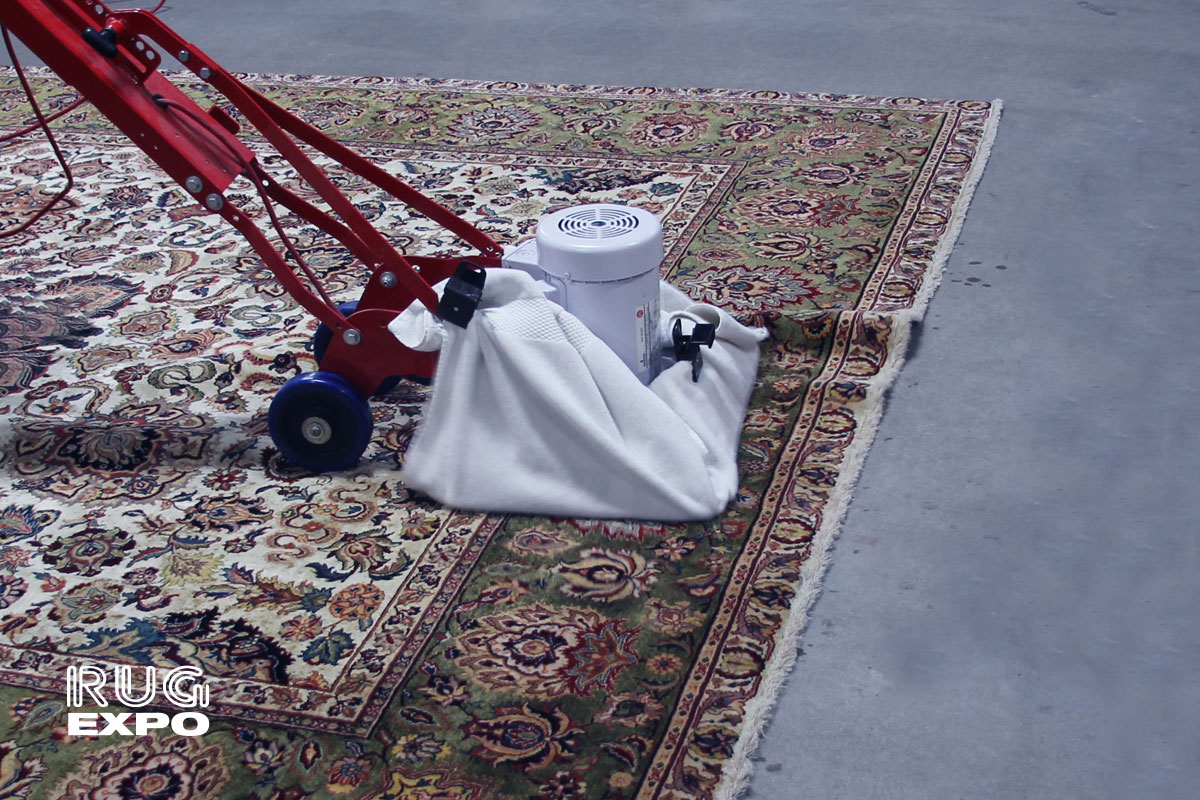
Rugs collect dust, dirt, pet hair, and everyday debris even when they look clean. Regular maintenance helps keep them looking their best, while periodic deep cleaning removes soil that ordinary vacuuming may not reach.
How often should you clean your rugs? For many households, professional deep cleaning every 12–18 months is a reasonable starting point. Homes with pets, children, frequent visitors, or heavy foot traffic may need professional cleaning every 6–12 months. The right schedule depends on the rug’s material, construction, condition, and how it is used.
Between deep cleans, vacuum regularly and address spills promptly. If your rug develops persistent odors, visible dirt, or a dull appearance despite routine care, it may need attention sooner.
For homeowners in San Diego, tracked-in sand, dust, and coastal moisture can also affect rug maintenance. Keeping rugs clean and ensuring they dry properly after spills can help protect their condition.
The frequency of area rug cleaning depends on how much use the rug receives and what it is exposed to. The following schedule can help you decide when your rug may need professional deep cleaning.
These intervals are general guidelines, not strict rules. A rug in a busy entryway may need more frequent attention than one in a rarely used guest room.
Regular vacuuming between professional cleanings helps remove loose dirt before it settles deeper into the fibers. Always follow the manufacturer’s care instructions, particularly for handmade and delicate rugs.

A rug does not always look dirty when soil has accumulated inside its fibers. Look for these signs that routine maintenance may no longer be enough.
These signs do not always mean the rug needs a complete wash. The right approach depends on its material, construction, and condition. Delicate rugs may need professional assessment before intensive cleaning.
Read our blog – What Type of Rug is Best for a Kitchen?
Dirt and grit can accumulate between rug fibers, especially in areas with frequent foot traffic. As people walk over the rug, these particles can contribute to gradual fiber wear. Regular vacuuming and periodic deep cleaning help remove soil before it builds up excessively.
Neglecting spills can also lead to persistent stains and odors. If moisture remains trapped in a rug or its backing, it may contribute to musty smells and, under suitable conditions, mold growth.
Dust, pet dander, and other particles can collect in rugs, too. Routine cleaning helps manage this buildup, although it cannot guarantee the removal of every allergen or prevent every indoor air quality problem.
Consistent care is generally easier than dealing with heavy soil, persistent odors, or damage after long periods of neglect. A suitable cleaning schedule helps maintain your rug’s appearance and condition over time.
The material and construction of a rug influence how it should be cleaned and how well it tolerates moisture, agitation, and cleaning products.
Persian and Oriental rugs can vary in fiber, dyes, age, and construction. Do not assume that every rug in the same category can be cleaned in the same way.
For more specific care advice, read Rug Expo’s guides to Oriental rug cleaning and routine rug cleaning without damaging the fibers.
Vacuuming and suitable spot cleaning help maintain rugs between deep cleans, but they may not remove all embedded soil. Professional cleaning may be appropriate when a rug is heavily soiled, has persistent odors, or needs more careful treatment.
Consider consulting a professional if:
A professional rug cleaner should assess the rug’s fiber, dyes, construction, and condition before selecting a cleaning process.
For homeowners looking for professional rug cleaning in San Diego, Rug Expo offers cleaning services for area rugs. The appropriate service depends on the rug and its cleaning needs. Visit the Rug Expo San Diego rug cleaning service page for more information.
For a better understanding of the process, read What Happens During Professional Area Rug Cleaning?.
A consistent maintenance routine can help reduce dirt buildup and keep your rug looking presentable between deep cleans.
For delicate or valuable rugs, avoid excessive water, harsh chemicals, and aggressive scrubbing. If you are uncertain about the correct method, seek professional advice before treating the rug.
Knowing how often to clean your rugs helps you build a care routine that suits your home. Vacuum regularly, deal with spills promptly, and arrange deep cleaning according to foot traffic, household needs, and the rug’s material.
For many households, professional cleaning every 12–18 months is a useful starting point, but heavily used rugs may need more frequent attention. When in doubt, follow the rug’s care instructions or consult an experienced cleaner.
If you need help maintaining your area rugs, explore Rug Expo’s professional rug cleaning services in San Diego to learn about the available cleaning options.
Many rugs benefit from periodic deep cleaning every 12–18 months, while heavily used rugs may need attention every 6–12 months. The right schedule depends on the material, condition, household activity, and manufacturer’s care instructions.
Homes with pets may need professional deep cleaning every 6–12 months, depending on shedding, foot traffic, and accidents. Remove pet hair regularly and address spills or accidents promptly rather than waiting for the next scheduled cleaning.
For many households, professional deep cleaning every 12–18 months is a reasonable starting point. High-traffic areas, homes with pets, and heavily used rugs may need more frequent service. Delicate rugs may require an individual assessment.
Yes, depending on the rug. Regular vacuuming and suitable spot cleaning are appropriate for many rugs. However, delicate, handmade, antique, or heavily stained rugs may require professional care. Check the rug’s care instructions before using water, shampoo, or cleaning equipment.
Not necessarily. Some carpet-cleaning machines may be unsuitable for certain area rugs because of their fibers, dyes, backing, or construction. Check the rug’s care instructions and the machine manufacturer’s guidance before using a carpet or rug cleaner machine.
Persistent odors, embedded dirt, recurring stains, and a dull appearance can indicate that routine care is no longer sufficient. If the rug is valuable or delicate, consult a professional before attempting intensive home cleaning.


































































Leave a Comment